
How to make Fire Cider
Fire cider is a traditional herbal tonic made by infusing apple cider vinegar with a blend of spicy, immune-boosting ingredients like garlic, ginger, onions, horseradish, and hot peppers, often sweetened with honey.

Popularized in the 1970s by herbalist Rosemary Gladstar, Fire Cider is used as a folk remedy to support immunity, aid digestion, clear sinuses, and promote overall wellness, especially during cold and flu season. The ingredients are steeped for weeks, then strained, creating a tangy, spicy elixir that can be taken as a shot, mixed into drinks, or used in recipes like salad dressings. While scientific evidence on its benefits is limited, its components, like apple cider vinegar and garlic, are known for antimicrobial and anti-inflammatory properties.
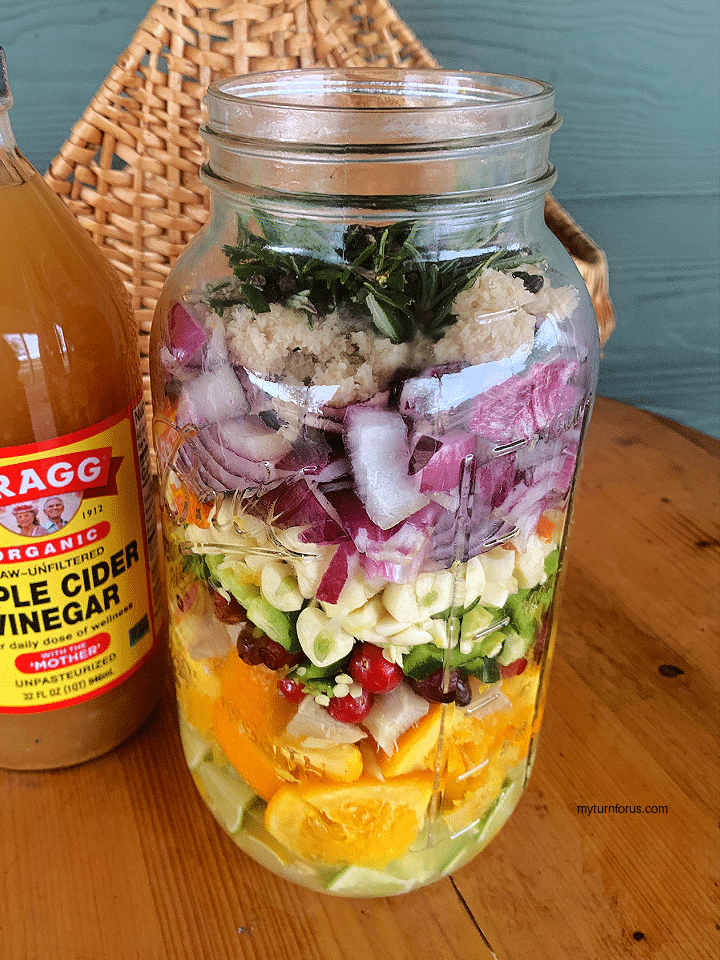
This spicy, tangy, fire cider is a traditional herbal tonic made with apple cider vinegar, and immune-boosting ingredients. Perfect for cold season or as a flavorful addition to recipes. Making fire cider is straightforward and requires minimal equipment, but it does involve some prep and patience.
This post contains affiliate links, which means if you make a purchase, we might receive a small commission at no additional cost to you. Please read our Disclosure Policy.
What is Fire Cider:
Fire cider is a traditional herbal tonic believed to support health through the combined effects of its potent ingredients. While scientific research on fire cider as a whole is limited, its components—raw apple cider vinegar, garlic, ginger, horseradish, chili peppers, and often honey or herbs—have well-documented properties that contribute to its effects.
Benefits of the Ingredients in Fire Cider:
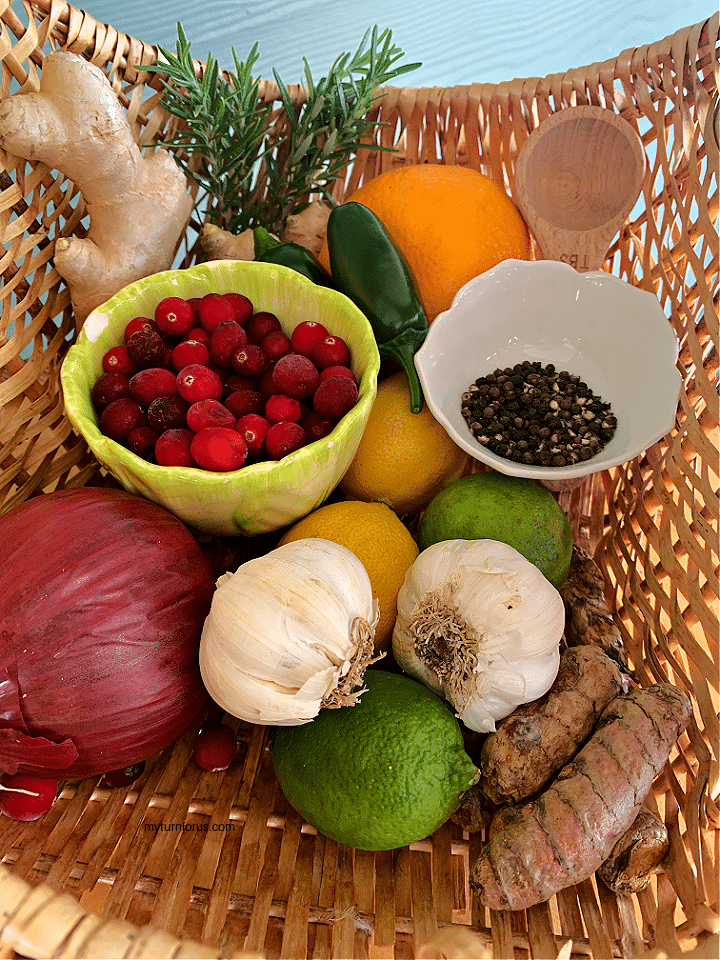
Here’s how Fire Cider works, based on its ingredients and traditional use:
- Lemons add a high dose of vitamin C, antioxidants, and a pleasant citrus flavor to fire cider, while also contributing to the tonic’s digestive and anti-inflammatory properties
- Limes contribute antioxidants and high levels of vitamin C, which is known to support immune health
- Oranges provide antioxidants and are a natural source of Vitamin C, an essential vitamin that helps maintain immune function, supports wound healing, and maintains the health of your skin, bones, and blood vessel
- Cranberries in Fire Cider enhances its immune-boosting properties and provides a distinct fruity flavor. The health benefits are primarily due to cranberries’ high concentration of antioxidants and vitamins, which help protect the body from damage caused by free radicals
- Fresh Ginger Root is a core ingredient in fire cider that provides warmth, aids digestion, and offers anti-inflammatory and antioxidant properties
- Jalapeños add a spicy kick to fire cider, contributing to its immune-boosting and anti-inflammatory properties through the active compound capsaicin.
- Garlic is widely known for its ability to boost immune function. In fire cider, its antimicrobial and antiviral compounds help fight off bacteria, viruses, and fungi, making the tonic beneficial for preventing and shortening illnesses.
- Turmeric Root primarily provides anti-inflammatory and antioxidant benefits through its active compound, curcumin. This can be particularly helpful for relieving body aches and joint inflammation associated with colds and flu.
- Purple onion The purple color of these onions comes from anthocyanins, powerful antioxidants that fight inflammation and oxidative stress. Also onions are a rich source of quercetin, a flavonoid with strong anti-inflammatory and antiviral effects.
- Fresh Ground Horseradish is a key ingredient in fire cider, prized for its pungency and potential health benefits, particularly during cold and flu season. In traditional herbal medicine, it is used to support the immune system and respiratory health.
- Fresh Rosemary contributes antibacterial properties and acts as a natural decongestant, aiding respiratory health. Additionally, it is known for promoting circulation, supporting digestion, and possessing anti-inflammatory qualities
- Black Peppercorns are included in fire cider primarily for their key compound, piperine, which dramatically enhances the absorption of curcumin from turmeric. Without black pepper, the body poorly absorbs the anti-inflammatory curcumin, limiting its effectivenes
- Unfiltered apple cider vinegar (with the mother) adds beneficial bacteria, enzymes, and proteins that are removed during the filtering and pasteurization of regular vinegar. This creates a more potent and nutritionally complete tonic.
What is Fire Cider used for
Fire cider is used primarily as a traditional herbal remedy to support overall health and wellness, particularly during cold and flu season. Its common uses include:
- Immune Support: Taken as a daily tonic (often 1-2 tablespoons) to boost the immune system, leveraging the antimicrobial and anti-inflammatory properties of ingredients like garlic, ginger, and horseradish.
- Cold and Flu Relief: Consumed to help alleviate symptoms like congestion, sore throat, or sinus issues, as the spicy ingredients (e.g., hot peppers, horseradish) can clear nasal passages and promote circulation.
- Digestive Aid: Used to stimulate digestion and improve gut health, thanks to apple cider vinegar’s acetic acid, which may support healthy digestion and gut flora.
- Energy and Vitality: Taken to invigorate the body, often as a morning shot to kickstart the day, due to its warming and stimulating ingredients.
- Culinary Uses: Incorporated into recipes like salad dressings, marinades, or soups to add a tangy, spicy flavor with health benefits.
Fire cider is typically consumed in small doses (e.g., a shot or diluted in water, tea, or juice) or used sparingly in cooking. While it’s a popular folk remedy, its efficacy isn’t fully backed by scientific studies, but its ingredients are known for their health-promoting properties. Always consult a healthcare provider before using it for medicinal purposes, especially if you have medical conditions or are on medications.
Fire cider is full of health benefits from medicinal plants and herbs that are infused into raw apple cider vinegar. The slow infusion process allows the vinegar to extract the maximum nutritional value from the ingredients, making your homemade fire cider a concentrated source of health-boosting compounds.
Why you would wish to make fire cider at home
- Health Benefits: Fire cider is a traditional folk remedy believed to boost immunity, aid digestion, and support overall wellness. Its ingredients—like garlic, ginger, horseradish, and chili peppers—are packed with antioxidants, anti-inflammatory compounds, and antimicrobial properties. Apple cider vinegar may help regulate blood sugar and improve gut health. Many use it as a daily tonic or to ward off colds and flu.
- Cost-Effectiveness: Homemade fire cider is significantly cheaper than store-bought versions, which can cost $15-$30 for a small bottle. Making a quart at home might cost $5-10, depending on ingredients, especially if you grow herbs or buy in bulk.
- Customization: You control the ingredients, adjusting the heat, sweetness, or flavor to suit your taste. You can experiment with add-ins like turmeric, citrus, or herbs (e.g., rosemary, thyme) for unique profiles or specific health goals.
- Self-Sufficiency: Crafting fire cider is a rewarding way to take charge of your wellness using natural ingredients. It appeals to those who enjoy DIY projects, herbalism, or reducing reliance on commercial products.
- Flavor and Culinary Use: Beyond health, fire cider adds a spicy, tangy kick to recipes—think salad dressings, marinades, or a splash in soups. It’s versatile for foodies who love bold flavors.
- Tradition and Community: Fire cider has roots in folk medicine, popularized by herbalists like Rosemary Gladstar. Making it connects you to a tradition of natural healing and can be a fun group activity or gift.
- Sustainability: Using local or homegrown ingredients reduces your environmental footprint compared to buying pre-made versions shipped from afar.
In short, people make fire cider at home for its potential health perks, affordability, and the joy of creating a personalized, potent tonic.
Our Fire Cider Recipe:
Ingredients:
- 2 Small Lemons, chopped
- 2 Small Limes, chopped
- 1 Orange, chopped
- 1 cup of chopped Ginger
- 1 cup of fresh Cranberries
- 2 whole Jalapeños, chopped
- 2 whole heads of Garlic, peeled
- ½ cup of chopped fresh turmeric
- 1 purple onion, chopped
- Ground Horseradish
- Rosemary
- Black Peppercorns
Equipment Needed
- 2-quart glass jar with a non-metal lid (or use parchment paper under a metal lid to prevent corrosion)
- Grater
- Cutting board and knife
- Measuring cups and spoons
- Cheesecloth or fine mesh strainer
- Funnel
- Glass bottles for storage
🥣 Recipe Tips
- Adjust the heat by varying the type or quantity of peppers. Jalapeños are milder; habaneros are hotter.
- Use organic ingredients when possible for best flavor and health benefits.
- Consult a healthcare provider before regular use, especially if pregnant, nursing, or on medications.
How to make Fire Cider:
- Prepare Ingredients: Chop the lemon, lime, orange, peppers and onion. Separate the garlic cloves and peel, leave them whole. Peel and chop the turmeric and ginger root. Grate the horseradish. Layer all ingredients (except vinegar) in a clean 1-quart glass jar.
- Add Vinegar: Carefully pour the apple cider vinegar over the ingredients until the jar is full, leaving about ¼ -inch headspace. Use a canning bubble remover/popper to remove all air pockets and bubble. Ensure all ingredients are fully submerged. If using a metal lid, place a piece of parchment paper between the lid and jar to prevent corrosion from the vinegar.
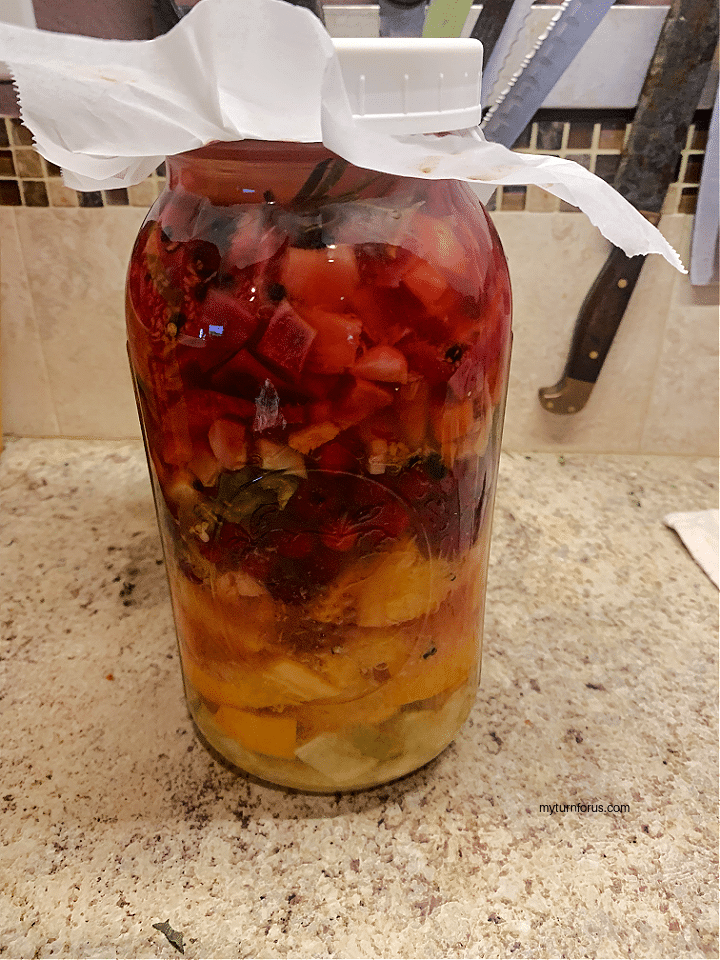
- Infuse: Seal the jar tightly and store it in a cool, dark place for 4-6 weeks. Shake the jar gently once a day to mix the ingredients.
- Strain: After 4-6 weeks, strain the mixture through cheesecloth or a fine mesh strainer into a clean bowl or jar, pressing the solids to extract as much liquid as possible.
- Bottle and Store: Use a funnel to pour the fire cider into clean glass bottles. Store in the refrigerator for up to 12 months or in a cool, dark pantry for 6-8 months.
Usage
- Take 1-2 tablespoons daily as a tonic, either straight or diluted in water, tea, or juice.
- Use as a salad dressing, marinade, or drizzle over roasted vegetables.
- Shake well before using, as sediment may settle.
Disclaimer: These statements have not been evaluted by the FDA. They do not intend to diagnose, treat, cure or prevent any disease or illness. Please contact your healthcare practitioner if you taking medication, pregnant or breastfeeding.
Other Ways to improve Health:
- Benefits of a Morning Walk
- Six Inexpensive accessories to amplify your workout at Home
- Heathy Meal Prep Recipes for a Week
🥣 Recipe

Ingredients
- 2 lemons chopped with peels
- 2 Limes chopped with peels
- 1 orange chopped with peels
- ½ cup ginger root peeled and chopped
- 1 cup fresh cranberries
- 2 jalapeños stem removed and chopped
- 2 heads garlic peeled
- ½ cup turmeric root chopped
- 1 whole purple onion chopped
- ¼ cup horseradish crushed
- 4 sprigs rosemary
- 1 Tablespoon black peppercorns
- 16 ounce jar Apple Cider Vinegar with the mother
Instructions
- Prepare Ingredients: Chop the lemon, lime, orange, peppers and onion. Separate the garlic cloves and peel, leaving them whole. Peel and chop the turmeric and ginger root. Grate the horseradish. Measure out the peppercorns and cut 3-4 rosemary springs. Layer all ingredients (except vinegar) in a clean 1-quart glass jar.
- Add Vinegar: Carefully pour the apple cider vinegar over the ingredients until the jar is full, leaving about 1/4-inch headspace. Use a canning bubble remover/popper to remove all air pockets and bubbles. Ensure all ingredients are fully submerged. If using a metal lid, place a piece of parchment paper between the lid and jar to prevent corrosion from the vinegar
- Infuse: Seal the jar tightly and store it in a cool, dark place for 4-6 weeks. Shake the jar gently once a day to mix the ingredients.
- Strain: After 4-6 weeks, strain the mixture through cheesecloth or a fine mesh strainer into a clean bowl or jar, pressing the solids to extract as much liquid as possible.
- Bottle and Store: Use a funnel to pour the fire cider into clean glass bottles. Store in the refrigerator for up to 12 months or in a cool, dark pantry for 6-8 months.
Notes
Nutrition
Click HERE to save this Fire Cider Recipe to Pinterest

I LOVE THE FIRE CIDER!!!
IT GOT US, especially the Teen Boy, THRU LAST WINTER & ONLY A CUP LEFT SOOOO TODAY IS THE DAY TO MAKE ANOTHER BIGGER BATCH!!! It Will Be Ready Just in Time!!!
Thanks Y’ALLLLL!!!
Peace & Blessings to YOU and YOURS’.
Yay!!! Yes Fire Cider is pretty Awesome!
Is it okay to use a little water if you don’t have quite enough acv to completely cover the solids?
I’m not sure, I have never tried it. But it seems to me if might dilute the effectiveness.