
Organic Basil Pesto Sauce at home
This Organic Basil Pesto Sauce, is a cost-effective alternative to store-bought versions. Using fresh organic basil, pine nuts, parmesan, garlic, and olive oil, it’s blended into a vibrant sauce perfect for pasta, paninis, or soups. Organic Basil Pesto Sauce at home is a simple, money-saving recipe for vibrant homemade pesto made with fresh organic basil, pine nuts, Parmesan, garlic, and olive oil.
Looking for an easy way to dress up your pasta nights? This homemade Organic Basil Pesto Sauce is the answer. It’s simple to whip up in a food processor, costs less than the store-bought jars (even with those pricey pine nuts), and tastes so much fresher. Whether you grow your own basil or grab a bunch at the market, you’ll find tips for making it, freezing it for later, and using it on everything from pasta and sandwiches to pizza and eggs.
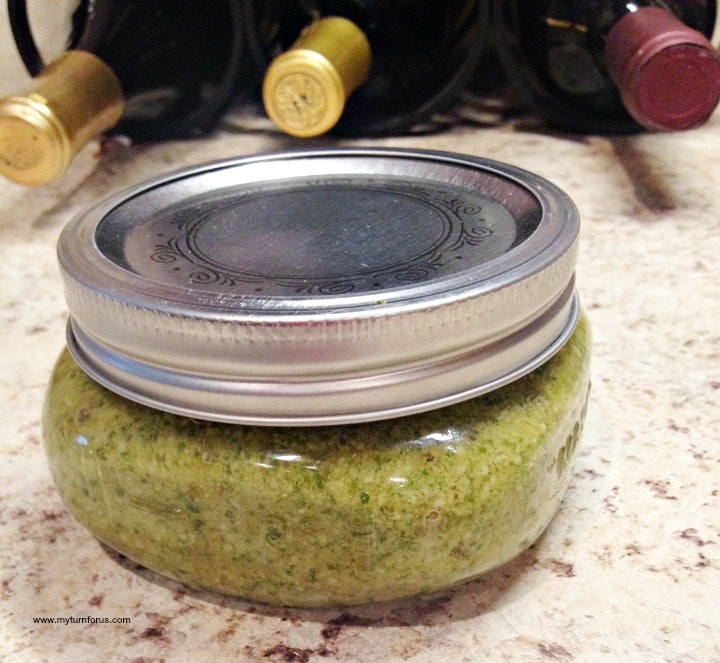
There’s just something special about a jar of bright green homemade pesto. That fresh, fragrant aroma that fills the kitchen the moment you open the lid feels like summer captured in a jar. This Organic Basil Pesto Sauce is an easy, budget-friendly way to bottle that garden-fresh basil flavor—whether you grow your own or pick up a bunch at the store.
This post contains affiliate links, which means if you make a purchase, we might receive a small commission at no additional cost to you. Please read our Disclosure Policy.
Blended with pine nuts, Parmesan, garlic, and good olive oil, it turns into a vibrant sauce that instantly elevates pasta, sandwiches, pizza, eggs, and so much more. Once you taste the difference, those expensive store-bought jars just don’t compare.
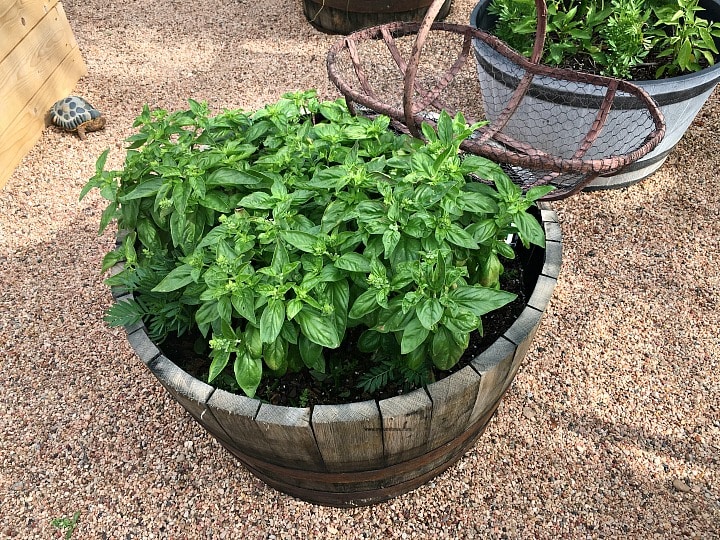
Making Organic Basil Pesto Sauce starts with good basil—either grown organically or bought that way. We choose to grow our own because store-bought organic basil can get pricey. Our little contained herb garden makes it simple to keep things organic. We start organic basil seeds indoors in seed trays, then transplant them outside. No pesticides, no weed killers—just hand-pulling weeds, checking for pests, and feeding the plants with compost from our own bin.
We also keep a dedicated planter just for basil. It gives us enough fresh leaves all summer for every Italian dish we make, and pesto is one of our favorites. Between pesto and bruschetta, that’s where most of our garden basil ends up.
Key Ingredients:
Here’s a simple breakdown of why each key ingredient matters in classic basil pesto:
Fresh Basil: Basil is the heart and soul of the sauce. It brings that bright, slightly sweet, and peppery flavor that makes pesto taste like summer. The fresh leaves also give the sauce its beautiful vibrant green color. Using plenty of basil is what makes the pesto taste fresh and aromatic instead of flat.
Pine Nuts: Pine nuts add richness and a mild, buttery sweetness that balances the bold basil. They also help create a creamy texture when blended and give the pesto a bit of body. While they’re the traditional choice, their subtle flavor lets the basil shine without overpowering it.
Olive Oil: Olive oil is the binder that turns the ingredients into a smooth, silky sauce. It helps emulsify everything so the pesto doesn’t separate, carries the flavors of the basil and garlic, and keeps the sauce from drying out. A good-quality olive oil also adds its own fruity, slightly peppery notes.
Parmesan Cheese: Parmesan brings salty, savory depth (umami) that rounds out the sauce and keeps it from tasting one-dimensional. It also helps thicken the pesto slightly and balances the richness of the oil and nuts. The cheese is what makes the pesto taste more complex and satisfying.
Together, these four ingredients create the classic balance of fresh, rich, savory, and silky that makes homemade pesto so special.
Equipment Needed:
- Food Processor
- Measuring Cups
- Storage Jars
How to make Basil Pesto:
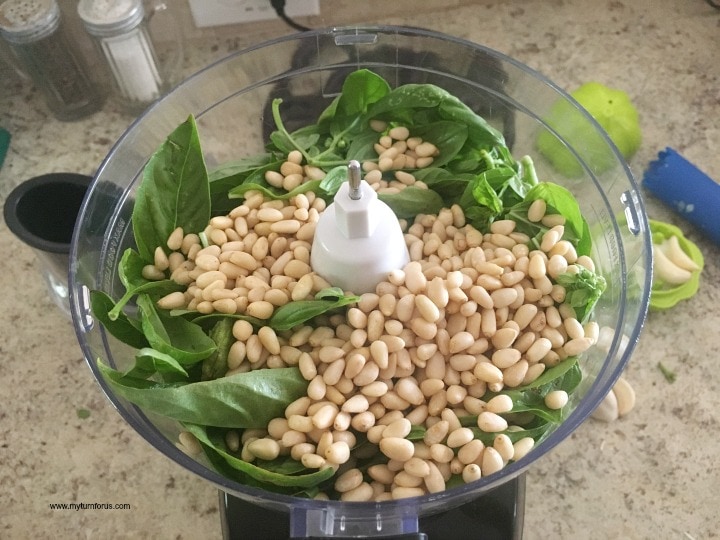
Instructions:
- Combine basil and pine nuts in a food processor and pulse a few times
- Add cheese and garlic, pulse several times more (scrape sides of processor as needed.
- With food processor running , slowly pour olive oil in to emulsify (again scrap sides of processor as needed)
- Salt and pepper to taste
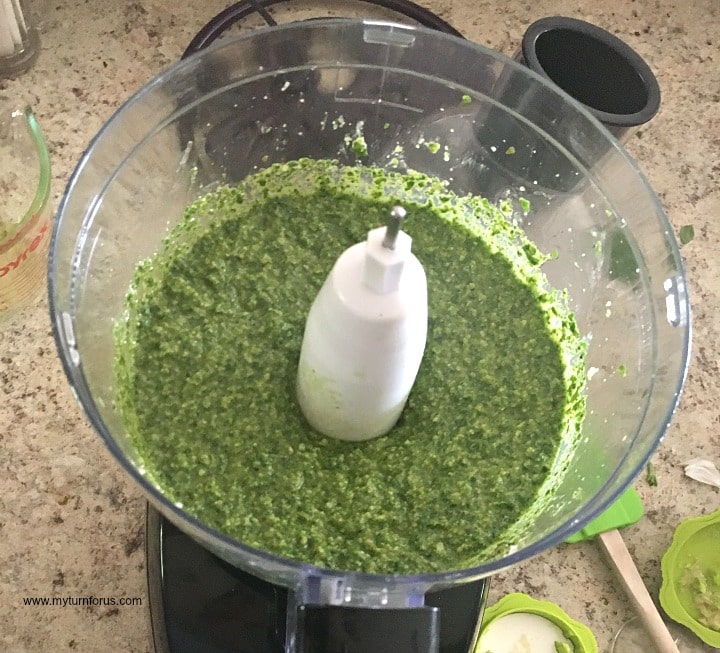
- If not using immediately, place in a tightly sealed container to prevent browning.
Move over, traditional condiments. This homemade basil pesto will have you reaching for the jar instead. Go ahead and start a pot of water to boil some pasta because as soon as you finish this delicious smelling sauce, you will be looking for some pasta. Enjoy my friends!!
Expert Tips
Here are 3 helpful recipe tips for making this pesto:
- Toast the pine nuts: Lightly toast the pine nuts in a dry skillet over medium heat for 2–3 minutes until fragrant. This brings out their natural sweetness and adds extra depth of flavor.
- Add the olive oil slowly: With the food processor running, drizzle the olive oil in a thin stream. This helps the sauce emulsify properly and gives you a smoother, creamier texture.
- Taste and adjust at the end: Basil, Parmesan, and garlic can vary in strength. Once everything is blended, taste the pesto and add a little more salt, pepper, or even a squeeze of lemon juice if it needs brightening.
How to serve Basil Pesto:
Who says you can’t have a taste of Italy at home? Whip up this scrumptious basil pesto and spread it on crostini to transport yourself to the Mediterranean!
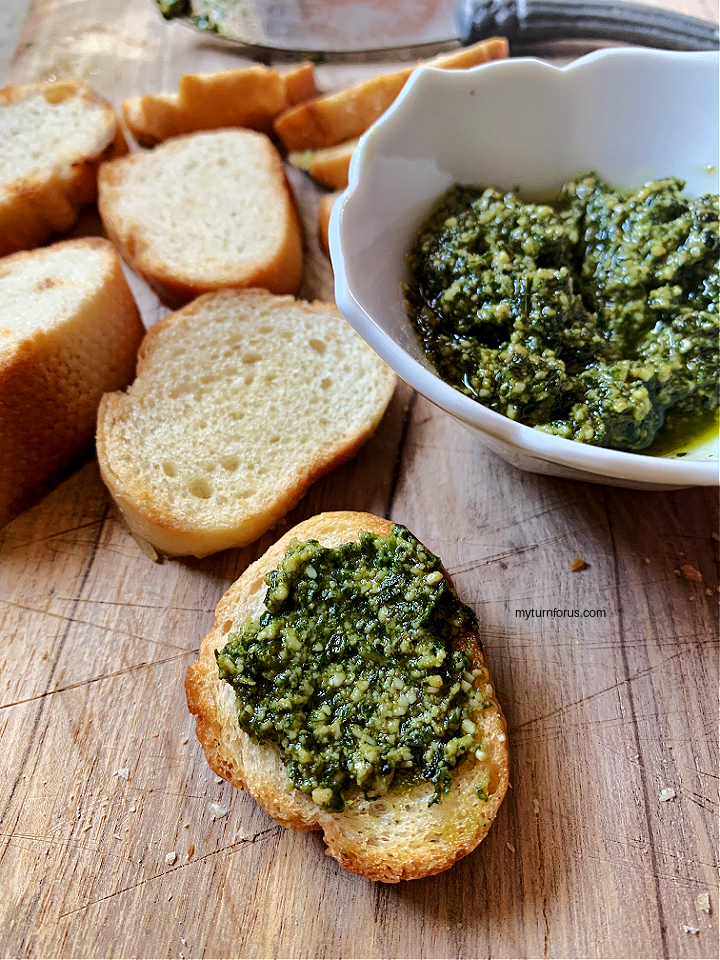
Delicious ways to use Fresh Basil pesto:
- Spread pesto on sandwiches, wraps, or panini or grilled cheese.
- Toss it with hot pasta for a quick, flavorful dinner (or stir it into Alfredo for a creamy pesto sauce)
- Mix with salad dressing or swirl it into soups
- Stir it into mayonnaise or Greek yogurt for a quick sandwich spread or veggie dip
- Serve it as a dip with crusty bread, crackers, or fresh vegetables
- Use pesto as a base sauce for pizza instead of traditional tomato sauce.
- Whisk pesto into scrambled eggs or dollop it over omelets, frittatas or fried eggs for a flavor boost.
- Spoon it over grilled chicken, fish, or steak
- Toss it with roasted or steamed vegetables
- Bake it into bread recipes
- Mix a spoonful into potato salad for extra flavor
- Use it as a marinade base for chicken or shrimp
How to store Fresh Basil Pesto:
Here’s a simple, practical way to store fresh basil pesto so it stays bright and flavorful:
In the refrigerator (short-term):
Spoon the pesto into a clean, airtight container. Smooth the top and pour a thin layer of olive oil over it to help prevent browning. Seal tightly and store in the fridge for up to 5–7 days.
In the freezer (longer storage):
This is the best way to keep it for months.
- Spoon the pesto into ice cube trays or silicone freezer pods.
- Freeze overnight until solid.
- Pop the frozen pesto cubes out and transfer them to a freezer bag or airtight container.
- Label and freeze for up to 3–6 months.
When you’re ready to use it, just pull out as many cubes as you need—no need to thaw the whole batch.
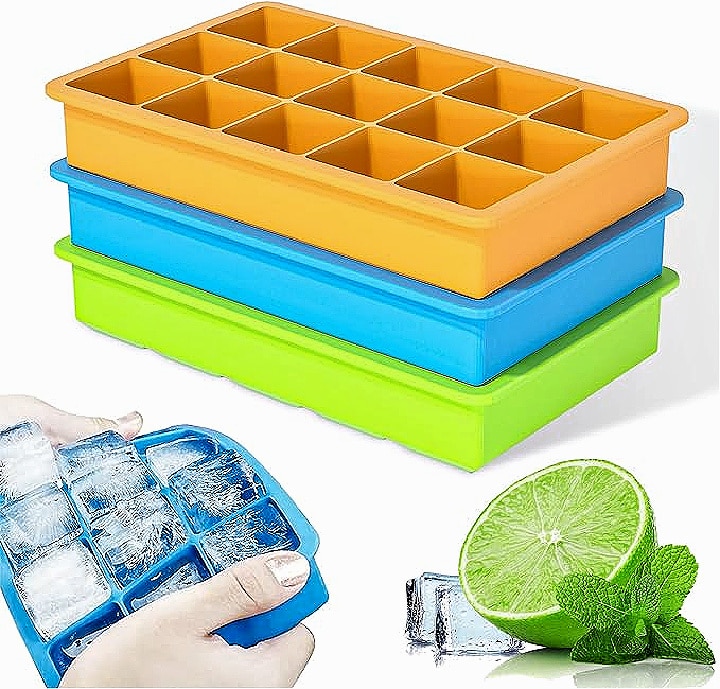
These trays could also be used for chicken broth or beef broth, soups or tomato paste or sauce or …. Let us know your ideas in the comments below.
Easy and tasty variations on the Basil Pesto recipe:
Walnut Pesto-Swap the pine nuts for toasted walnuts. This is a more budget-friendly option that still gives great flavor and texture.
Almond Pesto-Use toasted almonds instead of pine nuts. It has a slightly sweeter, milder taste that works beautifully with pasta and chicken.
Lemon Basil Pesto-Add the zest of one lemon and 1–2 teaspoons of fresh lemon juice. The brightness lifts the whole sauce and keeps the color vibrant longer.
Spinach-Basil Pesto-Replace half the basil with fresh spinach. It’s a great way to stretch your basil and adds a milder, slightly earthier flavor.
Sun-Dried Tomato Pesto-Add ⅓ cup of drained sun-dried tomatoes (oil-packed work best) to the food processor. The result is richer and a little sweeter—perfect on pizza or sandwiches.
Spicy Pesto-Add ½–1 teaspoon of red pepper flakes (or a small pinch of cayenne) when you blend everything. It gives a nice gentle heat without overpowering the basil.
Nut-Free Pesto-Skip the nuts entirely and add 2–3 tablespoons of sunflower seeds or pumpkin seeds, or simply leave them out and increase the Parmesan a bit for body.
Pecorino Pesto– Swap the Parmesan for Pecorino Romano for a sharper, saltier flavor that stands up well to bold dishes.
All of these use the same basic method—just adjust the ingredients and blend as usual.
Frequently Asked Questions
Yes. A blender works fine, or you can make it the traditional way with a mortar and pestle. Just chop or grind the ingredients until they form a coarse paste, then slowly work in the olive oil.
Basil oxidizes when exposed to air. To help prevent browning, store the pesto in an airtight container with a thin layer of olive oil on top. Freezing it in small portions also keeps the color bright.
Absolutely. Toasted walnuts or almonds are the most popular substitutes and often more budget-friendly. The flavor will be slightly different but still delicious.
Stored properly in an airtight container with a little olive oil on top, it stays good for about 5–7 days. For longer storage, freeze it.
You can in a pinch, but freshly shredded Parmesan melts into the sauce better and gives a smoother texture and richer flavor. Pre-grated often contains anti-caking agents that can make the pesto a bit gritty.
Other Italian Dishes:
If you’re in the mood for more comforting Italian favorites, these recipes are perfect next to a jar of homemade pesto. Try classic Manicotti stuffed with ricotta, Rich Eggplant Parmigiana, lighter Zucchini Lasagna, or creamy Chicken Alfredo Baked Ziti. Each one pairs beautifully with a spoonful of bright basil pesto on the side or mixed right in.
🥣 Recipe

Equipment
Ingredients
- 3 cups fresh basil leaves organic
- 1/2 cup organic pine nuts
- 3/4 cup parmesan cheese shredded
- 3/4 cup olive oil
- 4 garlic cloves minced
- salt
- black pepper
Instructions
- Combine basil and pine nuts in a food processor and pulse a few times
- Add cheese and garlic, pulse several times more (scrape sides of processor as needed.
- With food processor running , slowly pour olive oil in to emulsify (again scrap sides of processor as needed)
- Salt and pepper to taste
- If not using immediately, place in a tightly sealed container to prevent browning
To Freeze Pesto
- Spoon the pesto into either old fashioned ice trays or use this awesome Prepworks Freezer Pod trays Place in freezer and freeze overnight.
- After freezing the pods of pesto can be popped out and placed in a ziplock bag or freezer container. Then you can use as much or little as needed without defrosting all of it.
Nutrition
Click HERE to save this Organic Basil Pesto Recipe to Pinterest

Oh, yum! Thanks for posting this recipe. I had no idea it was so easy to make. I have basil growing in my garden; this will be a great use for it!
I've stopped counting how many times I promised myself to make some Basil pesto ! Maybe I should just order a bottle of yours, looks delicious !
Basil Pesto is one of my favorite things!! And this recipe is so easy! Love it!